common dandelions
Taraxacum officinale Weber ex F.H.Wigg.
Synonyms (15)
- Chondrilla taraxacum GBIF
- Crepis taraxacum GBIF
- Leontodon officinalis GBIF
- Leontodon taraxacum GBIF
- Leontodon taraxacum vulgare GBIF
- Leontodon vulgaris GBIF
- Taraxacum dens-leonis GBIF
- Taraxacum dens-leonis officinale GBIF
- Taraxacum officinale dens-leonis GBIF
- Taraxacum officinale vulgare GBIF
- Taraxacum officinale angustifolium GBIF
- Taraxacum palustre vulgare GBIF
- Taraxacum taraxacum GBIF
- Taraxacum vulgare GBIF
- Taraxacum vulgare dens-leonis GBIF
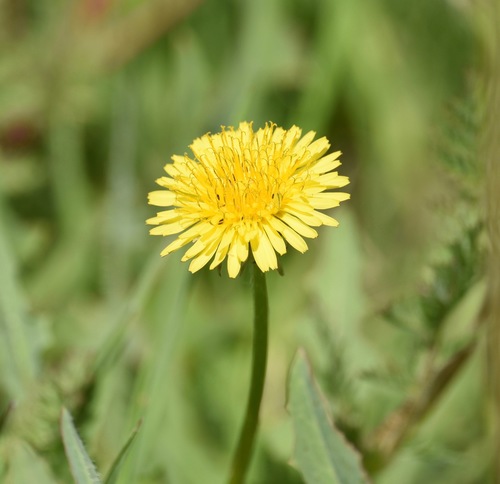
All parts of the dandelion are edible. The leaves can be eaten raw in salads or cooked like spinach. The flowers are used to make wine, jellies, and fritters. The roots can be roasted and ground as a coffee substitute or added to stews.
Dandelions have been traditionally used as a diuretic, aiding in fluid balance and kidney function. They are also recognized for their potential to support liver health and act as a mild laxative. Research suggests anti-inflammatory and antioxidant properties.
No known toxicity.
Ecological: Dandelions provide an early and important nectar source for pollinators, especially bees, in the spring. Their deep taproots help to break up compacted soil, improving soil structure and aeration. The leaves contribute to soil organic matter when they decompose.
- GBIFhttps://www.gbif.org/species/5394163
- EOLhttps://eol.org/pages/52196902
- iNaturalisthttps://www.inaturalist.org/taxa/967514
⚠ Some sections were filled by AI where no authoritative source was available. AI-tagged sections are marked above.